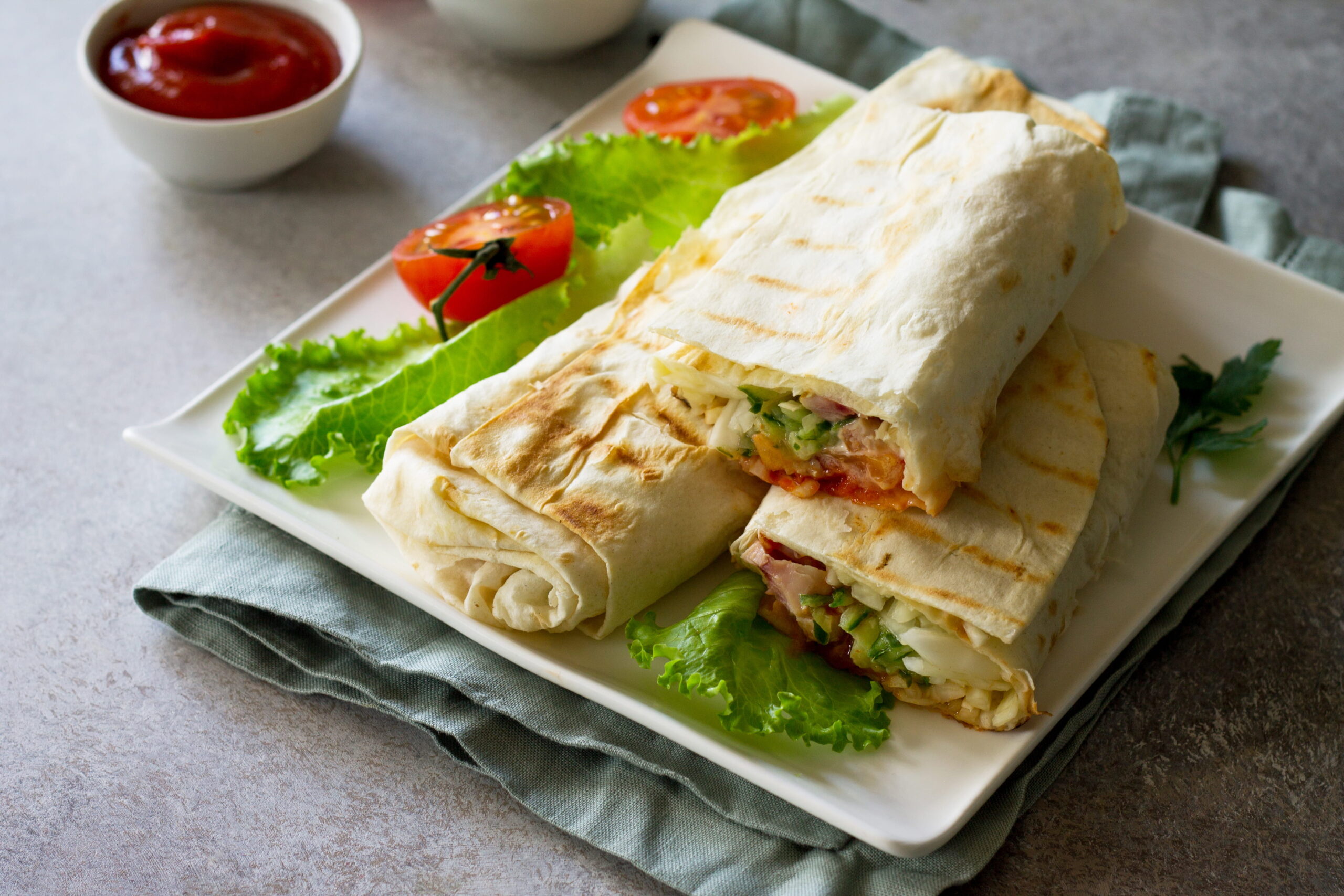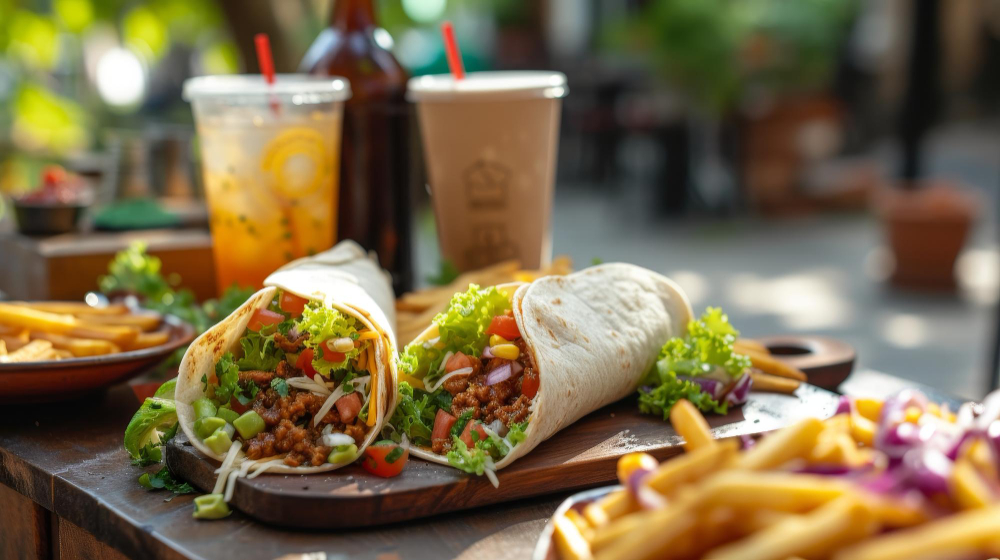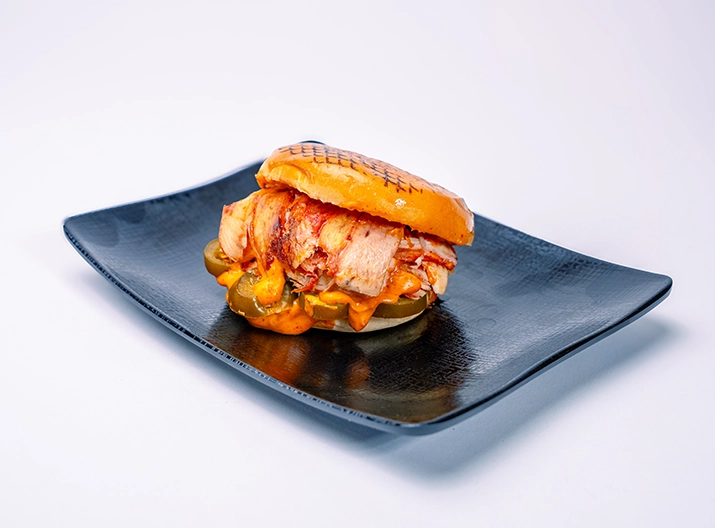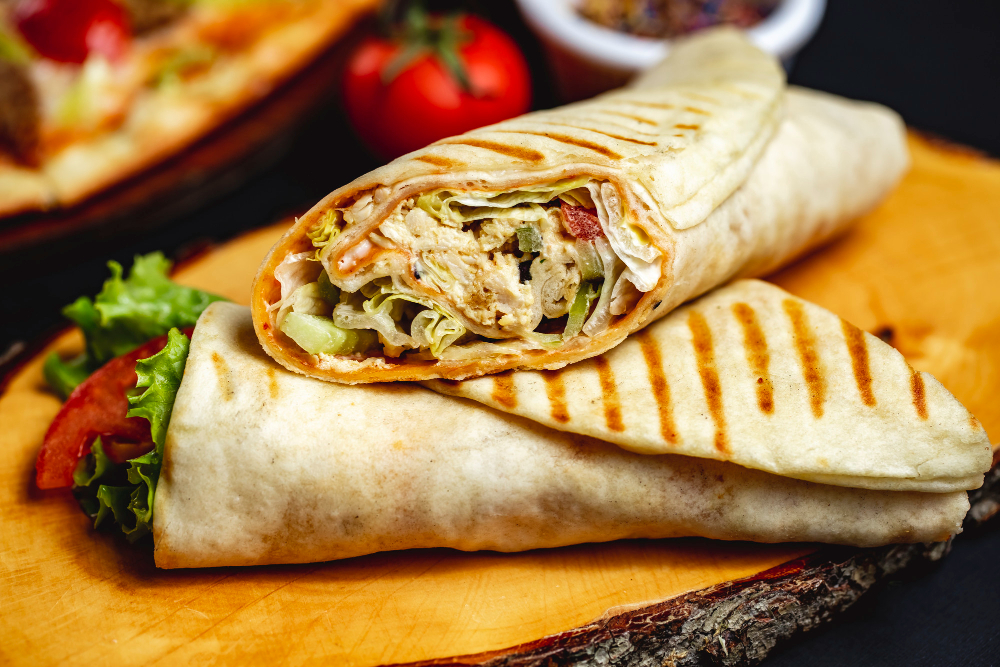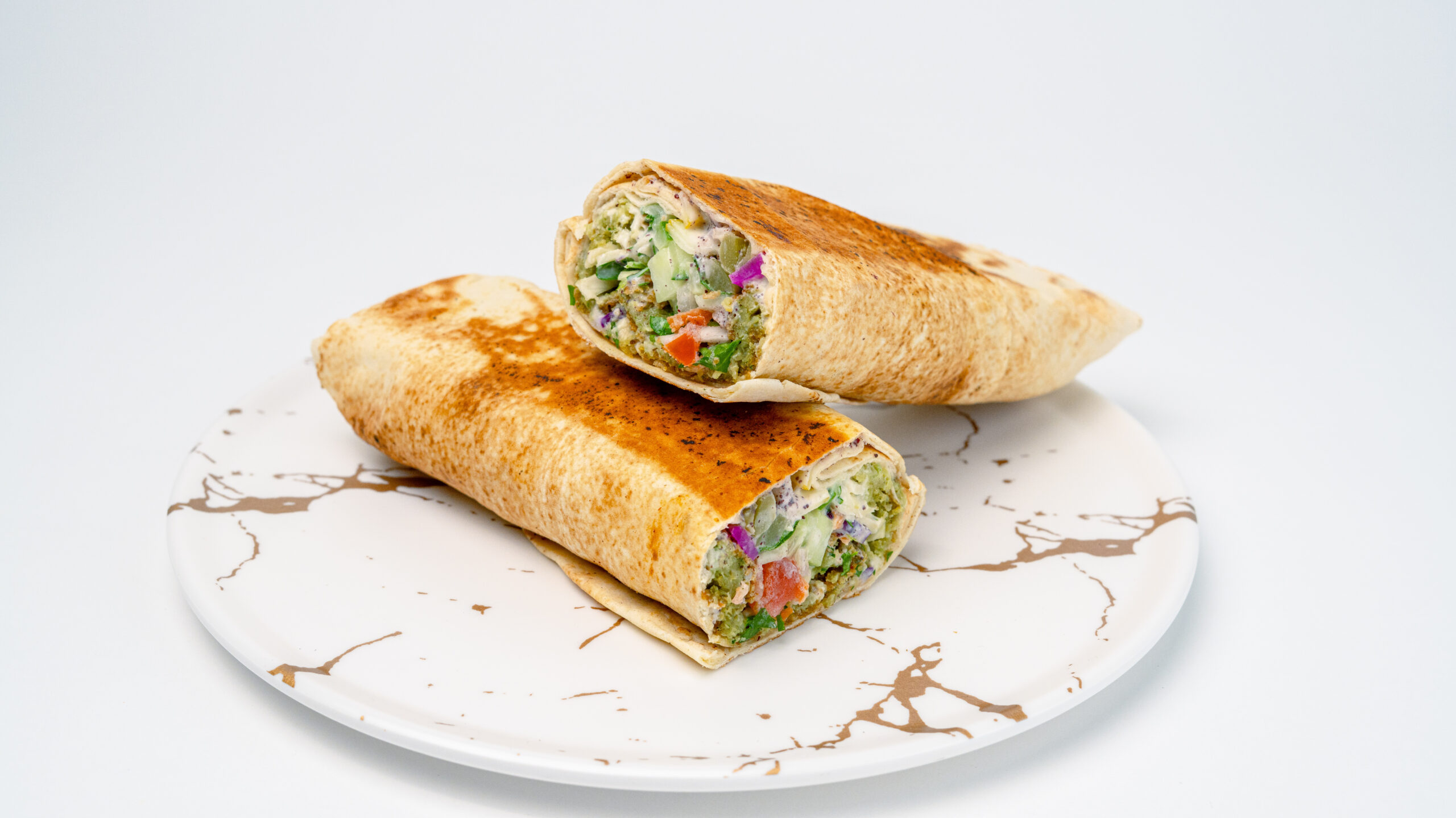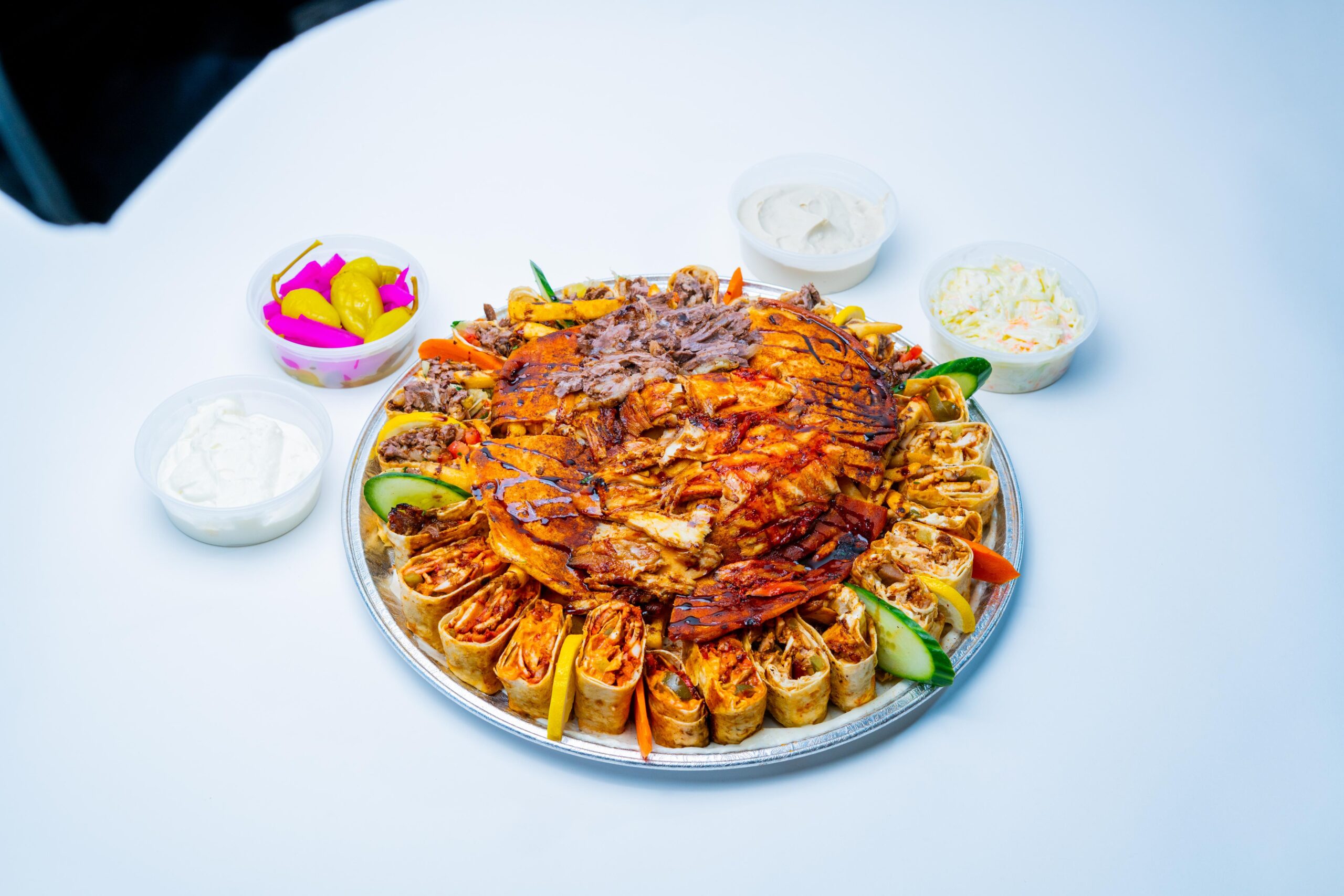
Spicy food is moving beyond the simple challenge of finding the hottest bite. Today, food lovers are showing greater interest in complex heat, where chilli is combined with garlic, herbs, citrus, spices, tangy ingredients, and different textures. Harraq fits naturally into this conversation, particularly through Middle Eastern dishes that balance heat with bold flavour. From crispy potatoes and spicy sauces to meat dishes served with chilli-based accompaniments, this style of cooking offers plenty to explore.
For diners in Mississauga who enjoy halal Mediterranean and Middle Eastern food, this makes Harraq an interesting way to add extra flavour and heat to familiar favourites. At Wrapstors Shawarma, guests can explore that combination through options such as Pita Harraq and Saj Harraq, prepared with fresh vegetables, sauces, and shawarma.
Restaurants serving halal Middle Eastern food can offer a range of flavours where chilli is one part of a much larger dining experience.
In this guide, we’ll look at what makes Harraq different, why aromatic heat is gaining attention, how tangy flavours and textures work with spice, and why Middle Eastern food are worth exploring.
What Makes Harraq Different From Ordinary Spicy Food?
Harraq is associated with hot or burning flavours in Arabic, but it is not one universal dish or recipe. Across Middle Eastern cuisine, similar terms can appear in different foods, with ingredients and preparation changing by region. One familiar example is Batata Harra, a Lebanese spicy potato dish made with potatoes, chilli, garlic, coriander, and lemon.
The common thread is the way heat works with other flavours. Instead of using chilli simply to create a strong burn, these dishes often combine spice with freshness, acidity, herbs, oil, or texture. That creates a fuller eating experience.
Heat With Character
Modern spicy food trends are increasingly focused on chilli varieties and flavour combinations that add character to a dish, rather than creating heat for its own sake.
Why Are Spicy Food Lovers Looking for More Flavour?
The appeal of spicy food is changing. Industry research shows that consumers continue to seek heat, but many are becoming interested in approachable spice levels and flavours that bring complexity to the dish. The Food Institute reported in 2026 that diners are gravitating toward spices and chilli varieties that offer character alongside heat.
This helps explain why regional spicy foods are getting attention. A dish can still deliver a noticeable kick while offering garlic, herbs, citrus, smoky notes, sweetness, or acidity. For diners, that means there is something to taste beyond the initial burn.
From Extreme to Enjoyable
Spicy food does not have to overwhelm the palate. Layered heat allows diners to experience chilli alongside the ingredients that make the dish distinctive.
How Aromatic Ingredients Change the Spice Experience
Garlic, herbs, oil, and fresh chilli can give spicy food a very different character from a sauce built around intense chilli alone. Their combination creates layers that develop as you eat.
Batata Harra shows how this works. The potatoes are fried until golden, then combined with garlic, chilli, cilantro, and seasoning. Lemon is also commonly used to add brightness.
The result is spicy, savoury, fresh, and crisp at the same time. This type of preparation helps explain why food lovers can enjoy a spicy dish repeatedly instead of treating it as a one-time heat challenge.
Garlic and Chilli
Garlic adds savoury depth to chilli, while fresh herbs and citrus can bring brightness and keep the heat from feeling one-dimensional.
Why Tangy and Spicy Flavours Work So Well Together
Heat becomes particularly interesting when it is paired with a contrasting flavour. Sour, fruity, smoky, or slightly sweet ingredients can change how chilli is experienced and give the palate something else to focus on.
This idea is already visible across current food trends. The Food Institute reports that sweet and spicy combinations are appearing across menus, while newer “fricy” combinations pair fruit with chilli for contrasting flavour and sensory appeal.
Middle Eastern cooking has its own ingredients that can create similar contrasts. Lemon provides acidity, while tamarind and pomegranate molasses can bring sweet and sour notes to certain preparations. These flavours can make spicy dishes feel brighter and more balanced.
Sweet Meets Heat
Sweetness can soften sharp chilli flavours, while acidity cuts through richer ingredients and keeps a spicy dish tasting fresh.
Why Texture Makes Spicy Food More Interesting
Taste is only part of why people enjoy a particular dish. Texture can make the same combination of flavours feel completely different.
Crispy potatoes are a good example. In Batata Harra, potatoes are fried until browned before being combined with chilli, garlic, coriander, and other seasonings. The crisp exterior creates contrast with the softer centre and gives the spicy ingredients something substantial to coat.
The same principle can be applied to other spicy foods. Crispy onions, toasted bread, fried potatoes, grilled meat, and crunchy toppings can all provide contrast. For diners, the combination of heat and texture creates a more complete experience.
This is one reason dishes such as shawarma and other Middle Eastern street foods can work well for diners who enjoy layered flavours. The combination of seasoned meat, bread, vegetables, sauces, and crispy or fresh ingredients creates several textures in one meal. If you’re exploring different Middle Eastern options, you can also explore shawarma dishes and flavours to see how these ingredients are combined in restaurant menus.
Crunch Meets Heat
Crispy ingredients can soften the intensity of chilli through texture, creating contrast that keeps each bite interesting instead of delivering the same sensation.
How Harraq Flavours Fit Into Middle Eastern Cuisine
Middle Eastern cuisine offers plenty of examples of heat being used alongside herbs, spices, garlic, citrus, and rich savoury ingredients. That makes it a natural fit for the growing interest in complex spice.
The important point is that Middle Eastern food is not defined by extreme heat. Many traditional dishes rely on aromatic seasoning instead. Chilli may appear as a condiment, side, or component that diners can adjust to their preference.
This approach works especially well for shared meals. One person can enjoy a milder plate while another adds more spicy sauce or relish. The main dish stays intact, while each diner can adjust the heat.
You can learn more about what to look for when choosing a halal restaurant in Mississauga.
Spice on the Side
Serving chilli-based accompaniments separately gives diners greater control and lets the main dish retain its original flavours.
Why Shawarma Works So Well With Harraq Flavours
Shawarma already contains many of the elements that pair well with spice.
Seasoned meat provides savoury depth. Fresh vegetables add crunch and freshness. Bread provides a soft base. Sauces bring moisture and additional flavour.
Adding a spicy Harraq element creates another layer without completely changing the character of the meal.
This is one reason Harraq works naturally in a shawarma wrap.
At Wrapstors, the menu includes Pita Harraq and Saj Harraq, alongside chicken and beef shawarma, falafel, plates, bowls, and other Mediterranean options. The restaurant describes its shawarma as freshly prepared, with house-made sauces and daily-cut vegetables.
Try Bold Harraq Flavours at Wrapstors in Mississauga
If you enjoy spicy food, Harraq flavours are an easy way to add extra heat to a familiar meal. Wrapstors in Mississauga offers Pita Harraq and Saj Harraq, combining spicy flavours with fresh vegetables, sauces, and freshly prepared shawarma.
The menu also includes chicken and beef shawarma, falafel, plates, and bowls, giving you different options based on your preference. If you are ready to try something with a stronger kick, explore the Harraq options and choose the wrap that suits your appetite.
Located in Ridgeway Plaza at 3460 Platinum Dr #25, Mississauga, Wrapstors is a 100% halal restaurant serving Mediterranean-inspired food, including chicken and beef shawarma, falafel, wraps, plates, bowls, and catering options.
Final Thoughts
Harraq reflects a broader change in the way people are enjoying spicy food. Heat still matters, but flavour is becoming just as important. Current food trends show growing interest in complex chilli profiles, global flavours, approachable heat, and combinations that bring sweet, sour, smoky, or aromatic notes into the same dish.
Middle Eastern cuisine fits naturally into this movement because its spicy dishes often combine chilli with garlic, herbs, citrus, spices, and contrasting textures. From Batata Harra to spicy accompaniments served with halal meals, there are plenty of ways to explore heat without losing the character of the food. For spice lovers, that makes Harraq-style flavours worth discovering.
FAQs
What does Harraq mean?
Harraq is associated with heat or burning in Arabic and appears in the names of various spicy dishes across Middle Eastern cuisines and regions.
Is Harraq a specific Middle Eastern dish?
Not necessarily. Harraq can describe different regional dishes and preparations, so the ingredients, cooking methods, and flavours may vary significantly.
What is Batata Harra?
Batata Harra means spicy potatoes and is commonly prepared with potatoes, chilli, garlic, coriander, olive oil, and lemon for flavour.
Why are complex spicy flavours becoming popular?
Many diners now prefer chilli combined with garlic, herbs, citrus, sweetness, and spices, creating layered flavour instead of relying solely on heat.
Is Middle Eastern food always spicy?
No. Many Middle Eastern dishes use aromatic herbs and spices without intense heat, while spicy sauces and accompaniments are served separately.
What foods pair well with spicy Middle Eastern flavours?
Spicy Middle Eastern flavours pair well with rice, grilled meats, potatoes, seafood, bread, wraps, and other savoury dishes that balance heat.